31 Oct

The inclusion of children in national TB prevalence surveys: a critical step towards achieving zero TB deaths
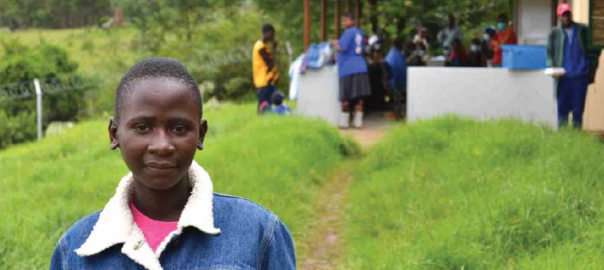
Thursday, 31 October 2013, 13:30 – 17:00, Room: 251

44th Union World Conference on Lung Health, 30 October – 3 November 2013, Paris, France

Workshop sponsored by The Stop TB Partnership

Description

Prevalence surveys are important for measuring the burden of, and trends in, TB disease. With these data, national tuberculosis programmes (NTPs) can assess the impact of their efforts,and identify the reasons why cases may not have been diagnosed. This information can then be used to identify strategies for improving the rate of case detection, attaining more timely diagnosis, and providing better treatment. However, the majority of countries continue to not include children less than 15 years of age in their national surveys of TB disease, even though they constitute approximately a third of their population.

This symposium was targeted at health policy-makers, public health officials, epidemiologists, technical advisors, patient advocates, implementers, clinicians (physicians, nurses, physiotherapists, respiratory therapists), and researchers. Its objectives were to:

1. Review the history of TB prevalence surveys that included children and the measures taken to accomplish this.
2. Review the epidemiologic science, the tools, and the related ethical considerations, for including children.
3. Review the implementation science for measuring TB burden in children, in resource-limited and -rich countries.
4. Review the reasons why the inclusion of children in national TB prevalence surveys has not been recommended.
5. Promote discussion on the inclusion of children in national prevalence surveys of TB disease.

Presentations

1. Importance and history of measuring the burden of TB disease in children
Peter Donald (South Africa)

2. The epidemiological science for measuring the burden of TB disease in children
Annelies Van Rie (USA)

3. The implementation science for measuring the burden of TB disease in children
Anneke Hesseling (South Africa)

4. Current recommendations and supportive efforts of the WHO for measuring the burden of TB disease in children
Babis Sismanidis (Switzerland)

5. Potential solutions for overcoming the challenges in measuring the burden of TB disease in children
Jeffrey Starke (USA)

6. Round-table discussion: how should countries measure their burden of TB disease in children?
Elizabeth Gardiner (USA)

Coordinators: Carlos Perez-Velez (USA), Soumya Swaminathan (India)

Chairs: Steve Graham (Australia), Carlos Perez-Velez (USA)

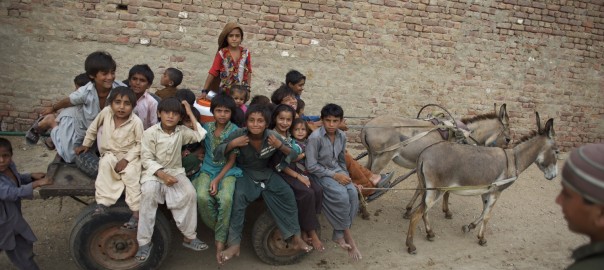
(Photo credit: Stop TB Partnership, Shehzad Noorani)

20 Sep

Administering second-line antituberculous medications to children with multidrug-resistant tuberculosis: A qualitative study

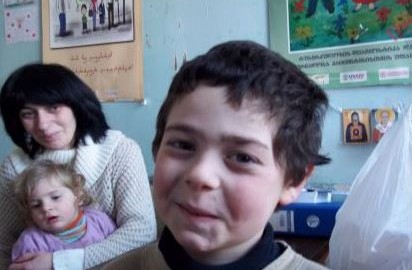
“I had one father tell me his boy eats more pills than food for breakfast.” TB physician, 32 years old, South Africa

There are more than 65,000 children living with multidrugresistant tuberculosis (MDR-TB) in the world today, and, while children have excellent outcomes from MDR-TB therapy, fewer than 1%
are diagnosed and treated for their disease. Even when a child is started on a regimen containing second-line drugs to treat MDR-TB, there are significant barriers to completing successful therapy and achieving cure. Almost none of these drugs is available in a child-friendly formulation.

We completed interviews with five nurses and four physicians from Peru, South Africa, Georgia, Romania and Bangladesh about the challenges of administering second-line drugs to
children. This poster presents data and quotes from those interviews.

“Administering Second-Line Antituberculous Medications to Children with Multidrug-Resistant Tuberculosis: A Qualitative Study” (September, 2013)

03 Jul

Novel pediatric delivery systems for second-line anti-tuberculosis medications: a case study

Members of the Advocacy Task Force have published a report entitled “Novel pediatric delivery systems for second-line anti-tuberculosis medications: a case study.” The paper was published online in the International Journal of Tuberculosis and Lung Disease. The aim of this paper is to present the development of a child-friendly delivery system for second-line medications.

Full reference: Furin J, Brigden G, Lessem E, Becerra MC. Novel pediatric delivery systems for second-line anti-tuberculosis medications: a case study. Int J Tuberc Lung Dis. 2013 Sep;17(9):1239-41. doi: 10.5588/ijtld.13.0196. Epub 2013 Jul 3.

11 Apr

Consensus statement on research definitions for drug-resistant tuberculosis in children

We are delighted to announce and share a new resource emerging from our network’s collaboration, “Consensus Statement on Research Definitions for Drug-Resistant Tuberculosis in Children.” The paper was published online in the Journal of Pediatric Infectious Diseases Society yesterday and the full reference is below. It was written by a Sentinel Project Task Force led by James Seddon. The aim of this paper is to advance a consistent terminology for use in research that we hope will result in more comparable data about children with DR-TB which can lead to more efficient syntheses and collective learning.

We also want to thank Professors Anneke Hesseling and Simon Schaaf of Stellenbosch University who provided funds to cover the costs of making this article immediately ‘Open Access.’

Full reference: Seddon JA, Perez-Velez CM, Schaaf HS, Furin JJ, Marais BJ, Tebruegge M, Detjen A, Hesseling AC, Shah S, Adams LV, Starke JR, Swaminathan S, Becerra MC, on behalf of the Sentinel Project on Pediatric Drug-Resistant Tuberculosis. Consensus statement on research definitions for drug-resistant tuberculosis in children. Journal of the Pediatric Infectious Diseases Society, first published online April 10, 2013. doi:10.1093/jpids/pit012

20 Mar

We Can Heal | Prevention, diagnosis, treatment, care and support: Addressing drug-resistant tuberculosis in children

This collection of 30 stories from 30 countries identifies what the TB community needs to achieve zero TB deaths, new infections, and suffering—a target recently called for by more than
500 individuals and organizations. Addressing the gaps in prevention, diagnosis, treatment, care, and support that this report outlines will bring us closer to realizing zero child deaths from
drug-resistant tuberculosis (DR-TB), a preventable and curable disease.

View a PDF version of the document here: “We Can Heal | Prevention, Diagnosis, Treatment, Care and Support: Addressing Drug-Resistant Tuberculosis in Children” (March, 2013)

14 Nov

Workshop 06: Preventing child deaths from drug resistant tuberculosis

Wednesday, 14 November 2012, 9:00 – 12:30, Room: 409

43rd Union World Conference on Lung Health, 13-17 November 2012, Kuala Lumpur, Malaysia

Workshop sponsored by Médecins Sans Frontières

Description

Children with drug resistant tuberculosis (DR-TB) are a population who have been largely overlooked by TB programmes as well as by international policy makers and researchers. There is an urgent need to address this gap. This workshop aims to provide participants with an update on recent initiatives targeting DR-TB in children, as well as demonstrating practical approaches to overcome current challenges in diagnosis and treatment. Furthermore, this workshop will review the research agenda, including studies that are planned or on-going, define what the urgent needs are and discuss how participants can become actively involved.

Presentations

1. An introduction to the Sentinel Project on Paediatric Drug Resistant Tuberculosis

Mercedes Becerra (USA)

2. Research meeting the needs of children with DR-TB: an update on progress

Soumya Swaminathan (India)

3. Introducing DR-TB diagnosis and treatment for children into TB programmes: a case study from Tajikistan

Bern-Thomas Nyang’wa (UK)

4. The use of practical tools and approaches to the diagnosis and treatment of children with DR-TB

James Seddon (UK)

5. Children in the evolving TB epidemic: future perspectives and priorities

Ben Marais (Australia)

Coordinators: Grania Brigden (UK), Mercedes Becerra (USA)

Chair: Stephen M. Graham (Australia)